

3 Retirement Planning Red Flags
By: Elias Park, CFP®
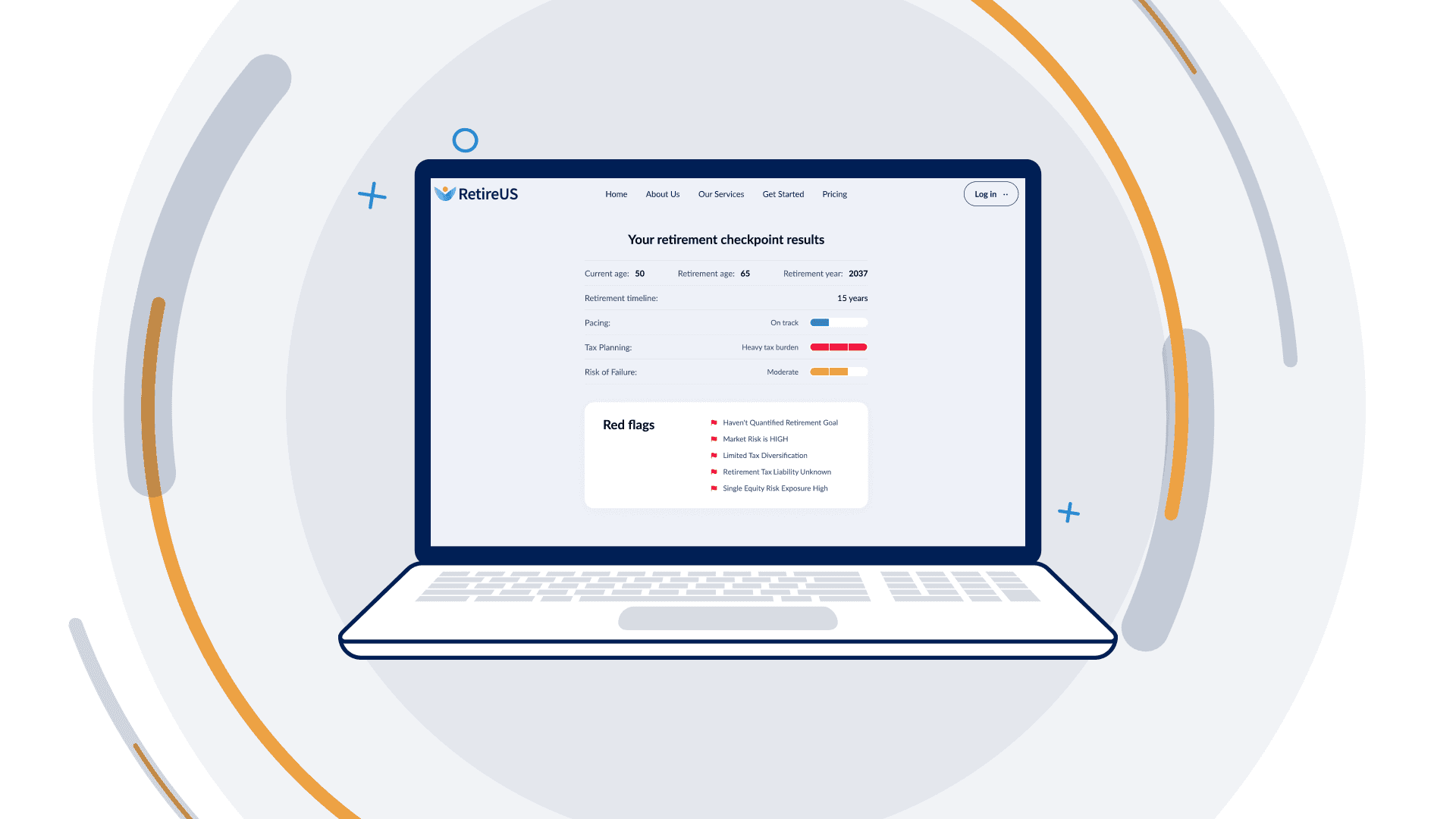
Retirement planning can seem like a long, winding journey—one that, for many, may feel intimidating. Yet, there’s one powerful way to make sure you stay on course: keep an eye out for red flags that could derail your financial future. As you move closer to retirement, certain warning signs can signal potential vulnerabilities in your plan. Ignoring these could put your retirement dreams at risk. At RetireUS, we believe that knowing and addressing these red flags is crucial to securing your financial future. In this blog, we’ll cover three major red flags that might be holding your retirement plan back and what you can do to address them before it’s too late.
Red Flag #1: Low Diversification
Diversification isn’t just about spreading your money across various stocks. True diversification involves balancing different types of asset classes to create stability and long-term growth potential. Stocks, bonds, real estate, and even alternative investments can each play unique roles within your portfolio, helping you to protect against unexpected market downturns.
What This Means for You:
To effectively diversify, think beyond U.S. stocks. Consider international investments, real estate investment trusts (REITs), annuities, structured notes, and government or corporate bonds. Each asset class behaves differently in response to market conditions. For instance, while stocks may decline during a recession, bonds might hold steady or increase in value, creating a smoother path for your overall portfolio. Avoid placing more than 25-30% of your portfolio in a single asset class and regularly review your allocations to ensure they align with your goals.
Key Insight:
Assessing your risk tolerance and time horizon is crucial. For those nearing retirement, you may want a portfolio that leans without excessive volatility.
Red Flag #2: Over-Reliance on Stock Growth
While stocks have historically delivered strong returns, they can also create significant volatility, especially as you near retirement age. Market downturns can significantly impact your savings just when you’re preparing to start drawing from them. Relying too heavily on stock growth leaves your portfolio vulnerable to market swings, which can be especially detrimental if you need to withdraw funds during a market downturn.
What This Means for You:
Rather than banking on continuous stock growth, shift towards a more balanced approach as you near retirement. Consider a “glide path” strategy, which gradually reduces stock exposure and increases bond holdings over time. Bond funds, annuities, or dividend-paying stocks can provide steady income, offering a cushion during market declines. The right balance can vary depending on your retirement timeline, expected lifestyle, and specific income needs, making this a crucial point to personalize with a professional.
Key Insight:
Diversification among different income-generating investments, such as bonds and high-dividend stocks, can reduce your reliance on stock growth. A CFP® can help you find the right mix to protect against market volatility while still allowing for measured growth, keeping your savings intact as you enter retirement.

Red Flag #3: Uncertain Withdrawal Strategy
One of the biggest retirement risks is outliving your savings, often due to an uncertain withdrawal strategy. The goal is to create a sustainable withdrawal plan that balances your income needs with the preservation of your retirement funds. Without a solid strategy, it’s easy to withdraw too much too soon, depleting your nest egg faster than anticipated.
What This Means for You:
Establishing a personalized withdrawal strategy is essential. Traditional rules, like the 4% rule, are general guidelines and may not suit your specific circumstances, particularly with today’s longer lifespans and varied retirement needs. A flexible withdrawal plan can account for market conditions, adjusting your withdrawals based on good or bad years to avoid withdrawing a fixed percentage when markets are down.
Key Insight:
For a more stable income, consider setting up a “bucket” strategy. This approach segments your savings into short-term, medium-term, and long-term buckets. Short-term funds are held in liquid assets like cash, medium-term funds in bonds, and long-term growth investments in stocks. This layering helps you avoid drawing on volatile assets when markets are down, preserving your savings for longer. A CFP® can guide you through establishing a sustainable withdrawal plan, tailored to your needs and market conditions.
Fix These Red Flags Now
Addressing these three red flags can make a powerful difference in the security of your retirement plan. Inadequate diversification, over-reliance on stock growth, and lack of a clear withdrawal strategy each present risks that can be mitigated with thoughtful planning. The sooner you address them, the better positioned you’ll be to meet your retirement goals.
At RetireUS, we offer professional insights and tools to help you develop a resilient, customized retirement strategy. Schedule a consultation with one of our CERTIFIED FINANCIAL PLANNERS™ today, or take our Financial Checkpoint quiz to get started. With our expertise and commitment to your financial well-being, you’ll gain peace of mind knowing your retirement plan is structured for the long term.
This article is provided by McAdam LLC dba RetireUS (“McAdam” or the “Firm”) for informational purposes only. Investing involves the risk of loss and investors should be prepared to bear potential losses. Past performance may not be indicative of future results and may have been impacted by events and economic conditions that will not prevail in the future. No portion of this article is to be construed as a solicitation to buy or sell a security or the provision of personalized investment, tax, or legal advice. Certain information contained in this report is derived from sources that McAdam believes to be reliable; however, the Firm does not guarantee the accuracy or timeliness of such information and assumes no liability for any resulting damages.This article is the sole opinion of this individual and is not indicative of the firm’s belief.
Related articles